

INSURANCE INSIGHTS: PROTECTING YOUR VALUABLES & CLAIMS
Proving ownership of your household items when submitting an insurance claim is often more difficult than expected. Many policyholders only realise this after a loss has occurred.
A common issue is that clients have not compiled a proper inventory of their belongings before taking out cover — or before submitting a claim.
Another important factor to understand is the average clause. This means that if your contents are insured for less than their true replacement value, your insurer may only pay a proportional amount of your claim.
Example:
If your household contents are insured for R100,000 but the actual value is R200,000, you are effectively insured for only 50%. In the event of a claim, the insurer may only pay out 50% of the loss — leaving you responsible for the rest.

Keep a Detailed Inventory
- List all household items room by room
- Include purchase date, value, and description
- Update annually or when acquiring new items

Keep Proof of Ownership
- Store receipts and invoices safely
- Record serial numbers of high-value items (electronics, appliances, etc.)

Take Photographs
- Photograph rooms and valuable items
- This helps confirm ownership and speeds up claims

Jewellery
- Items above a certain value must be specified on your policy
- Keep valuation certificates updated and stored safely

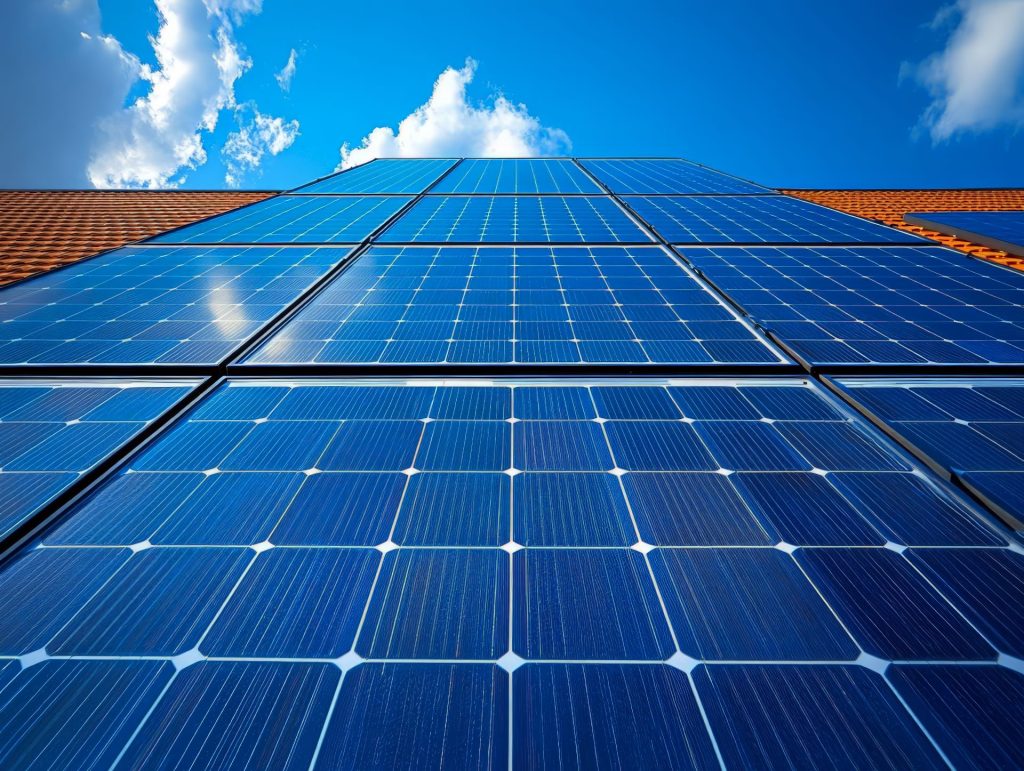
Solar Systems (VERY IMPORTANT)
- All solar installations (panels, inverters, batteries) must be declared and noted on your policy
- Ensure the correct value is insured (replacement cost)
- Installation must comply with SANS regulations and be done by a qualified installer
- Keep invoices, compliance certificates, and system specifications
- Confirm whether your cover includes:
- Power surge damage
- Theft of panels/batteries
- Load shedding-related risks
Failure to disclose or correctly insure your solar system may result in reduced or rejected claims.
Types of Cover
Comprehensive
Covers accidents, theft, hijacking, and damage (excluding mechanical failure)
Third Party, Fire & Theft
Covers theft, fire, and third-party damage only
Third Party Only
Covers damage to third-party property only
Excess (First Amount Payable)
- The portion you pay for each claim
- Applies per incident
- Claims below the excess are not payable
Claims Process
- Report accidents to SAPS within 24 hours
- Submit claims as soon as possible
- Always collect full third-party details
Important Considerations
- Vehicle must be roadworthy
- Drivers must be licensed and authorised
- Tracking devices must be operational
- Extras (tow bar, mags, etc.) must be declared and insured

Premiums
- Must be paid on time to keep cover active
Prevention of Loss
- Take reasonable steps to prevent damage or theft
Security
- Alarm systems must be operational
- Policy security requirements must be met
Jewellery Safety
- Items over R10,000 must be stored in a safe when not worn
Thatch Roofs
- Must have an approved lightning conductor
Gas Installations
- Must have a valid Certificate of Compliance (COC)
- Installed by a registered LPG professional
Generators
- Must comply with SANS wiring regulations
- Must be declared to your insurer
Solar Installations
- Must comply with SANS electrical standards
- Must be declared and correctly insured
- Non-compliance can invalidate claims

If you are underinsured, you will carry part of the loss.
This applies to:
- Buildings
- Household contents
- Certain specified items
FINAL NOTE
Always provide accurate and complete information to your insurer.
Any misrepresentation — such as claiming for items not owned or inflating values — may result in your claim being rejected in full.
NEED HELP REVIEWING YOUR COVER?
At Almega Brokers, we:
- Review your policy in detail
- Ensure your values are accurate
- Check that your risks (including solar) are properly covered
- Help you avoid surprises at claim stage
Your insurance. Our responsibility.